
A bathroom remodeling contractor is a licensed professional who manages every phase of your renovation, from design and permitting through final construction. The right contractor handles plumbing coordination, waterproofing systems, electrical changes, and fixture installation under one organized plan. Hiring an unlicensed handyman or an unnetted general contractor is the single fastest way to turn a $20,000 project into a $60,000 disaster. This guide covers how to find and verify a qualified contractor, what realistic timelines and costs look like, and how to communicate your needs so the finished bathroom actually fits your life.
How to find and verify a qualified bathroom remodeling contractor
The hiring process follows four steps: finalize your project vision, verify licenses and insurance, ask targeted questions, and compare at least three written quotes. Skipping any of these steps puts your budget and your home at risk.
Start with license and insurance verification. Every state maintains an online contractor license lookup. Verify the license number, check its expiration date, and confirm the contractor carries both general liability insurance and workers' compensation. If a worker gets injured on your property and the contractor has no workers' comp, you could be liable.
Ask the right questions before signing anything:
- Who will physically perform the work on my property?
- Do you handle permit applications, or does that fall to me?
- What waterproofing system do you use for shower enclosures?
- Can you provide references from bathroom projects completed in the last 12 months?
- What does your payment schedule look like, and is it tied to project milestones?
Pro Tip: Ask specifically who will be on-site every day. Unvetted subcontractors undermine quality and schedules. A contractor who uses their own experienced crew gives you far more control over the outcome.
Red flags to watch for include vague verbal estimates with no line items, requests for large upfront cash payments, and contractors who cannot name the specific waterproofing system they plan to use. A contractor who cannot answer basic technical questions about your project has probably not done enough of them. Use resources like the contractor vetting guide to build your checklist before the first interview.
What to expect during your bathroom remodel: timeline, phases, and costs
Bathroom renovation projects vary widely in scope and duration. Understanding the phases and cost drivers before construction starts prevents the most common source of homeowner frustration: surprise.
Typical project timelines
Standard renovations without major structural changes finish in 3 to 5 weeks when managed by a full-service contractor. Full remodels with custom finishes or layout changes typically run 3 to 6 weeks once construction begins. Larger jobs with high-end tile work, custom cabinetry, or significant plumbing relocation can push the timeline to 10 weeks or more.
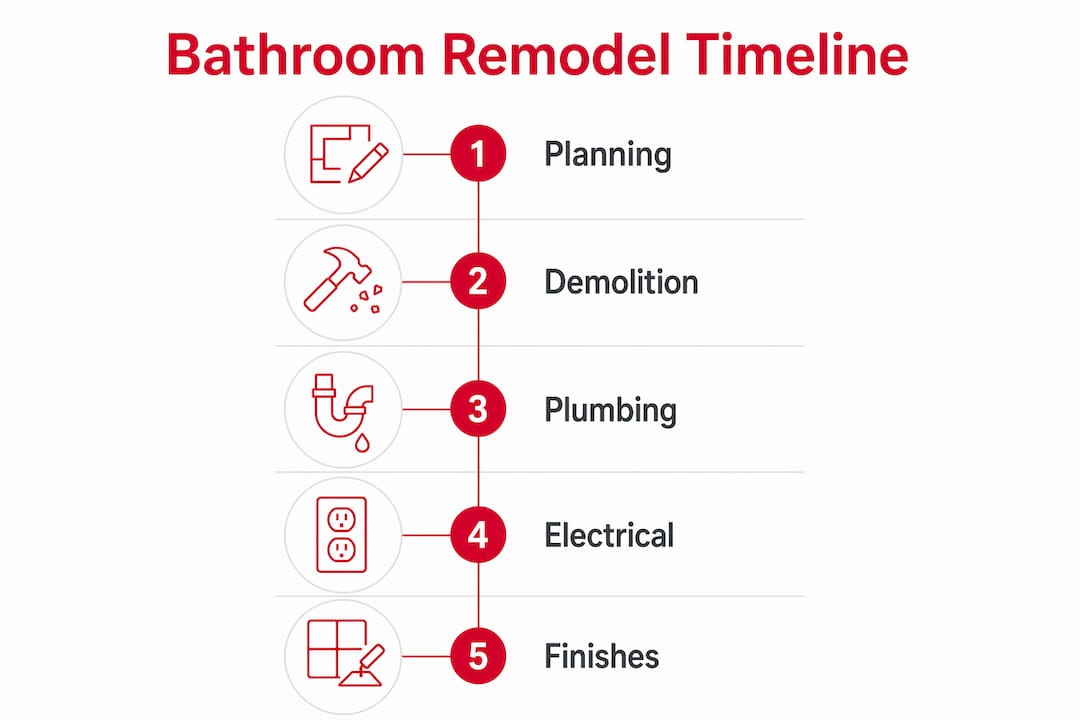
Permitting is often the biggest variable. Permit approval timelines significantly affect overall project duration. A contractor who handles permit applications on your behalf removes that bottleneck from your plate and keeps the schedule moving.
Key cost drivers
Bathroom remodeling projects typically cost between $20,000 and $100,000 or more, depending on complexity. That wide range reflects real differences in scope. Here are the factors that move the number most:
- Size and layout changes. Moving a toilet or shower drain requires opening the subfloor and rerouting plumbing. That work costs significantly more than keeping fixtures in place.
- Waterproofing system. A proper membrane system for a tile shower costs more upfront but prevents mold, rot, and structural damage that can cost far more to repair later.
- Fixture and material selections. A basic vanity and standard tile cost a fraction of a custom floating vanity with large-format porcelain. The gap between entry-level and high-end finishes is substantial.
- Electrical upgrades. Adding a heated floor, a new exhaust fan circuit, or GFCI outlets near water sources requires a licensed electrician and adds to the permit scope.
- Structural modifications. Removing a wall, raising a ceiling, or relocating a window triggers structural review and adds both cost and time.
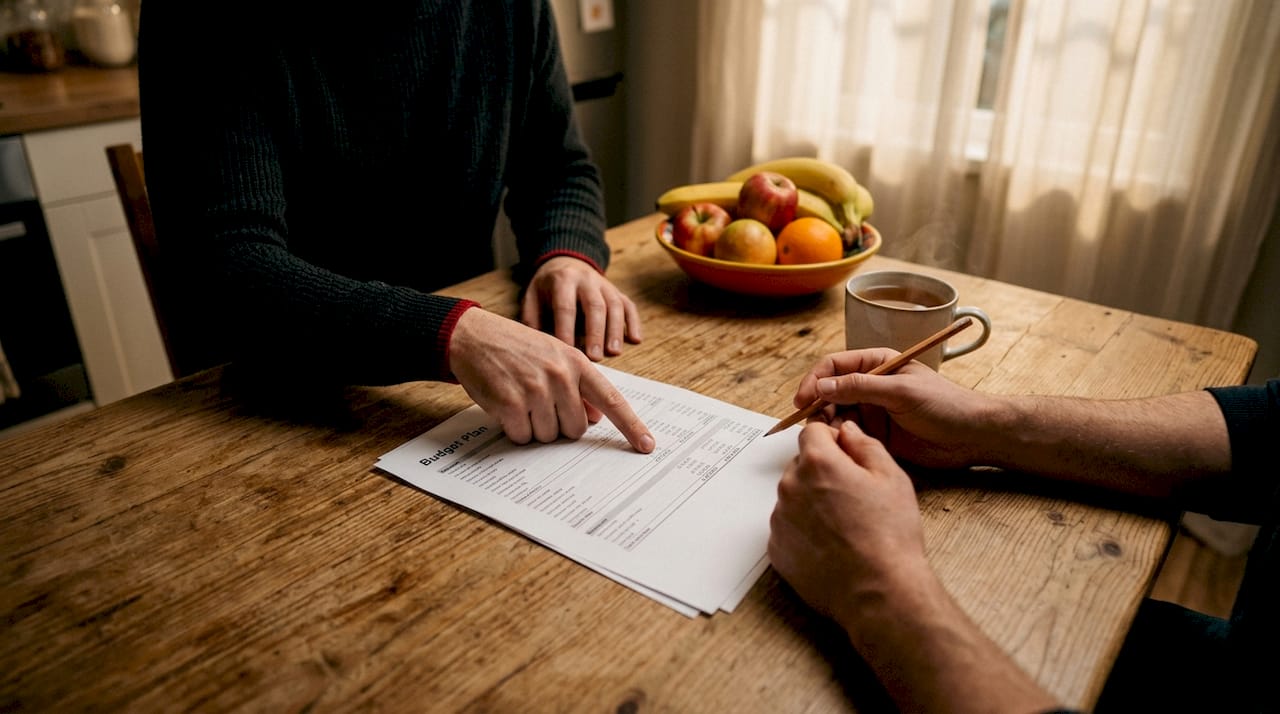
Fixed-price contracts tied to a detailed, line-item work scope are the most effective protection against budget overruns. A vague estimate with a single total number gives the contractor room to add charges later. A line-item contract does not.
Pro Tip: Get your project phases in writing before demolition starts. A written schedule tied to payment milestones keeps both parties accountable and gives you a clear record if disputes arise.
What are the best practices for a durable bathroom remodel?
Waterproofing is the most common cause of bathroom remodel failure. A beautiful tile shower installed over inadequate waterproofing will leak within two to five years, causing mold growth, subfloor rot, and structural damage that costs far more to fix than the original remodel. Licensed contractors stress using proven waterproofing systems and experienced tradespeople as the single most important factor in a lasting result.
Waterproofing systems worth knowing by name:
- Schluter Kerdi: A bonded waterproof membrane applied directly to the substrate before tile. It eliminates the need for a traditional mortar bed and performs well in high-moisture environments.
- RedGard: A liquid-applied membrane that rolls on like paint and cures to a flexible waterproof barrier. It works well for shower floors and wet wall areas.
- Pre-slope and liner systems: Traditional method using a sloped mortar bed with a PVC or CPE liner. Still widely used and effective when installed correctly by an experienced tile setter.
Local environmental factors like humidity levels and salt air dictate which system performs best in your area. A contractor in a coastal or high-humidity region who installs the same system they use in a dry climate is making a mistake that will show up in your walls within a few years.
Ventilation matters as much as waterproofing. An undersized or improperly ducted exhaust fan allows moisture to accumulate in wall cavities and ceiling spaces. The result is mold, peeling paint, and deteriorating drywall. Specify a fan rated for your bathroom's square footage and confirm it vents to the exterior, not into the attic.
Pro Tip: Ask your contractor to show you the waterproofing inspection before tile goes up. A reputable bath remodeling contractor will welcome that request. One who resists it is telling you something important.
Verify that the people doing the tile and waterproofing work have specific bathroom experience, not just general tile experience. Kitchen backsplash installation and wet-area shower waterproofing require completely different skill sets.
How should you communicate your needs to your contractor?
Bathroom remodels should improve daily functionality, not just appearance. The design decisions that matter most come directly from how you actually use the space. A contractor who does not ask about your routine is designing a bathroom for a generic homeowner, not for you.
Before your first detailed meeting with a shower remodeling contractor or design-build firm, think through these points:
- Who uses the bathroom and how often? A primary bathroom shared by two adults has different storage and layout needs than a guest bath used occasionally.
- Do you have accessibility requirements now or in the future? Walk-in showers with zero-threshold entries, grab bar blocking in walls, and wider doorways cost very little to include during a remodel and a great deal to add later.
- What frustrates you about the current layout? Poor lighting, inadequate storage, and a cramped shower are the three most common complaints. Name them specifically so your contractor can address them in the design.
- What is your morning routine? Two people getting ready simultaneously need double sinks, adequate mirror space, and enough electrical outlets. One person who showers at night has different priorities entirely.
Working with a design-build contractor who manages both the design and construction phases produces better outcomes than splitting those roles between two separate firms. When the designer and builder are the same team, decisions made on paper translate directly to what gets built. Miscommunication between separate design and construction firms is a documented source of cost overruns and schedule delays.
Understanding contract types before you sign also protects you. A fixed-price contract gives you cost certainty. A time-and-materials contract shifts budget risk to you. Know which one you are signing.
Key Takeaways
A licensed bathroom remodeling contractor who manages design, permits, waterproofing, and construction under one plan delivers the most reliable outcome for homeowners.
| Point | Details |
|---|---|
| Verify before hiring | Check license status, insurance certificates, and on-site crew identity before signing any contract. |
| Get a line-item contract | Fixed-price contracts tied to detailed work scopes prevent surprise charges and protect your budget. |
| Prioritize waterproofing | Systems like Schluter Kerdi and RedGard prevent the most common and costly bathroom remodel failures. |
| Plan for permits | Plumbing, electrical, and structural changes require permits; a full-service contractor handles this for you. |
| Communicate your routine | Tell your contractor how you use the space daily so the design solves real problems, not just aesthetic ones. |
What I've learned from watching bathroom remodels go wrong
The most expensive bathroom remodels I've seen were not the ones with the highest budgets. They were the ones where homeowners hired the lowest bidder, skipped the license check, and got a vague one-page estimate instead of a line-item contract. Six weeks later, they were paying a second contractor to tear out tile and fix waterproofing that was never done correctly.
The contractors who consistently deliver good results share two traits. They use their own trained crew rather than rotating subcontractors, and they welcome questions about their process. A contractor who gets defensive when you ask about their waterproofing method or who will be on-site Tuesday morning is not a contractor you want managing a $40,000 project in your home.
The other mistake I see repeatedly is homeowners treating the design conversation as a formality. Your contractor cannot read your mind. If you hate your current shower because the water pressure is weak and the door swings into the toilet, say that out loud in the first meeting. The best bathroom renovation services are built around specific problems, not generic floor plans pulled from a catalog.
Hire someone who asks more questions than you do. That is the clearest sign you are talking to a professional.
— Jake
A-to-zconstruction handles your bathroom remodel from start to finish
Bathroom renovations involve more moving parts than most homeowners expect. Permits, waterproofing, plumbing coordination, tile work, and fixture installation all need to happen in the right order, on schedule, and to a standard that holds up for decades.
A-to-zconstruction is a licensed general contractor in Cedar City, Utah, with over 500 completed projects and a reputation built on fixed-price contracts, permit management, and a single experienced crew from day one to final walkthrough. No subcontractor shuffle. No vague estimates. If you are planning a bathroom renovation and want a contractor who manages every phase under one roof, visit the remodeling services page or reach out directly for a free estimate.
FAQ
What does a bathroom remodeling contractor actually do?
A licensed bathroom remodeling contractor manages design, permitting, waterproofing, plumbing coordination, and construction from start to finish. They serve as the single point of contact responsible for delivering a finished bathroom on time and on budget.
How long does a bathroom remodel take?
Standard renovations without structural changes finish in 3 to 5 weeks. Full remodels with custom finishes or layout changes typically take 3 to 6 weeks once construction starts, with permit approval adding time before work begins.
Do I need permits for a bathroom remodel?
Permits are required for any plumbing, electrical, or structural changes. Working without them can create costly problems at resale and may void your homeowner's insurance for related claims.
How do I avoid hiring a bad contractor?
Compare at least three written, line-item quotes, verify the contractor's license and insurance independently, and ask specifically who will perform the on-site work. Avoid any contractor who cannot name the waterproofing system they plan to use.
What is the biggest cause of bathroom remodel failures?
Waterproofing failure is the leading cause of bathroom remodel problems. Inadequate or improperly installed waterproofing behind tile leads to mold, subfloor rot, and structural damage that costs far more to repair than the original renovation.