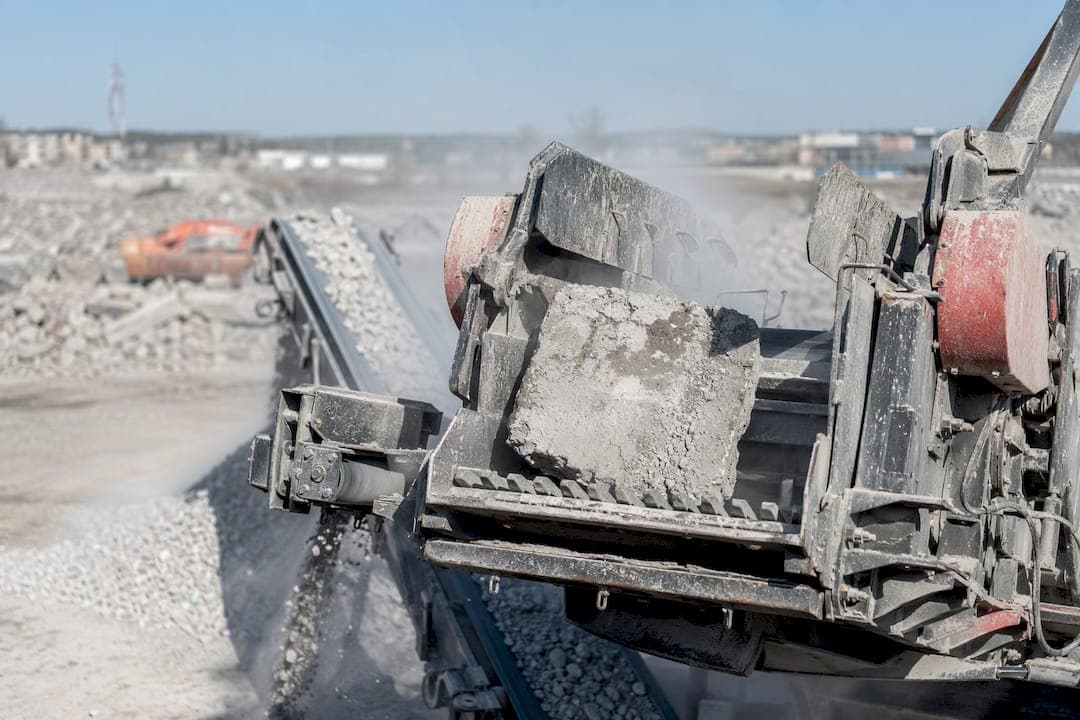
Recycling is your cheapest and greenest concrete disposal option, often free or under $25 per ton, and it should be your first call for any job. When a recycling center isn't nearby or won't take your load, a heavy-debris dumpster or licensed hauler covers medium and large jobs, with C&D landfills as the fallback. Clean, uncontaminated concrete counts as non-hazardous solid waste under EPA guidance, which keeps most residential jobs simple.
TL;DR:
- Recycling concrete is the most cost-effective disposal method, often free or under $25 per ton, especially for clean, uncontaminated loads.
- For larger or mixed loads, heavy-debris dumpsters or licensed haulers are necessary, but overloading or contamination can significantly increase costs.
- Proper preparation, including breaking slabs and removing rebar, minimizes surcharges and ensures acceptance at recycling facilities.
- Local regulations vary, so verify acceptance rules, permit requirements, and disposal fees with county or city waste services beforehand.
- On-site crushing becomes economical only for large-scale projects, allowing reuse of material and avoiding tipping fees, but it’s less practical for residential jobs.
Table of Contents
- Concrete Disposal Options by Project Size
- How Concrete Recycling Actually Works
- Dumpster Rental and Hauling: Sizing It Right
- What Concrete Disposal Really Costs
- Regulations, Permits, and What Counts as Illegal Dumping
- Prepping Your Concrete Load the Right Way
- When On-Site Crushing Makes Financial Sense
- Choosing the Right Disposal Path: A Quick Checklist
- What We've Learned Handling Concrete on Job Sites
- A to Z Construction Handles the Whole Job, Not Just the Demo
- Where to Verify Local Rules and Facility Details
- Sources
- FAQ
Concrete Disposal Options by Project Size
Which path makes sense depends almost entirely on how much concrete you have and how fast you need it gone. Here's how the main routes stack up.
-
Concrete recycling centers. You haul or have material hauled to a facility that crushes clean concrete into aggregate for road base and fill. Best for driveways, patios, and small-to-medium demolition where you can source clean loads. Slower than a dumpster if you're doing the hauling yourself, but usually the cheapest option by a wide margin.
-
C&D landfills and transfer stations. These take mixed construction and demolition debris, including concrete that's too contaminated or mixed for recycling. Best when recycling isn't available locally or your load includes materials recyclers reject. Fees tend to be higher than recycling, and no reusable material is generated.
-
Heavy-debris dumpster rental. A company drops a reinforced roll-off rated for concrete's weight, you fill it over days, they haul it away. Best for renovation and demolition projects where you need on-site staging over time. Convenient, but weight limits and overage fees can surprise first-timers.
-
Junk hauling or licensed haulers. A crew loads and removes the concrete for you, often same-day. Best for homeowners with limited chunks, no truck, or no time to manage a dumpster rental. Costs more per pound than self-hauling to a recycler, but it saves your back and your weekend.
-
Reuse, donation, or give-away. Broken slabs and pavers get repurposed as garden borders, retaining wall fill, or rip-rap for erosion control; some community groups and art projects take clean chunks for free. Best for smaller quantities where hauling costs outweigh the material's scrap value. Zero disposal cost, but it only absorbs a fraction of a typical demolition's volume.
How Concrete Recycling Actually Works
Recycling centers aren't dumping grounds. Most enforce a "clean load" standard: concrete free of trash, wood, drywall, and heavy paint or adhesive coatings, broken to a manageable size before it arrives. Facilities that accept clean concrete often charge nothing or a modest per-ton fee, which is exactly why recycling beats every other legal disposal route on cost.
Inside the gate, the process is mechanical and fast. Loaders feed broken concrete into a crusher, a screen sorts it by size, and a magnetic separator pulls out embedded rebar and wire mesh before the crushed material gets sold as recycled concrete aggregate (RCA) or road base. Facilities often charge based on weight and may have piece-size limits, and loads that arrive mixed or contaminated get surcharged, or turned away at the scale.
Prepping a load right saves you money before you ever pull onto the scale:
- Break slabs down to pieces a facility's size limit allows, usually under two or three feet, before hauling.
- Pull large, exposed rebar sections free rather than dragging tangled steel through the gate.
- Keep painted, tiled, or adhesive-coated chunks separate from clean structural concrete.
- Never mix drywall, wood, or trash into the same load; even a small amount of contamination can flag the whole pile.
- Call ahead if you're unsure. Recyclers frequently reject or surcharge loads with paint, adhesives, or heavy embedded rebar without warning.
Pro Tip: Snap a few photos of your concrete pile before hauling it. If a facility questions the load or charges an unexpected surcharge, having a timestamped record of what you brought helps you dispute the fee on the spot.
Dumpster Rental and Hauling: Sizing It Right
Concrete is dense, roughly 150 pounds per cubic foot, or about 4,050 pounds per cubic yard, which means a "10-yard dumpster" for concrete holds far less material by volume than the same dumpster loaded with household junk. Standard roll-offs aren't rated for that density, so rental companies offer dedicated heavy-debris or inert-material dumpsters built with reinforced floors and lower fill lines.
A few things determine what you'll actually pay and whether the rental goes smoothly:
- Most rental firms quote a flat base fee that includes a set tonnage, then charge a per-ton overage rate if your load runs heavy.
- Overloading past the fill line, not just the weight limit, is the most common reason for a rejected pickup.
- Wet concrete slurry should never go into a roll-off; it's treated differently than cured debris and can void the pickup entirely.
- Mixing metal, wood, or trash into a concrete-only dumpster typically triggers a contamination surcharge.
- Curbside pickup or a junk hauling crew often beats a dumpster for small jobs, a broken patio slab or a few walkway sections, where renting a container for days costs more than a single haul.
If you're managing a larger renovation, a dumpster sizing guide helps you match container size to your actual debris volume before you commit to a rental.
What Concrete Disposal Really Costs
Budgeting for concrete removal comes down to three numbers: what the material weighs, where it's going, and how contaminated it is.
By the numbers: Recycling centers typically charge free to $25 per ton for clean concrete, while general C&D landfills and transfer stations run $20 to $100 or more per ton depending on region and facility. Dumpster rental for concrete debris commonly falls between $300 and $795, depending on container size and how far the hauler drives.
A few worked examples make those ranges concrete, literally. A homeowner hauling a pickup-truck load of broken patio pavers, maybe half a ton, to a local recycler often pays nothing beyond gas and time. A 10-yard heavy-debris dumpster for a driveway tear-out, roughly four to five tons of material, typically lands in the middle of that $300 to $795 range depending on your market. A full basement or garage slab teardown running ten-plus tons pushes toward multiple dumpster loads or a direct haul to a transfer station, where tonnage fees start adding up fast.
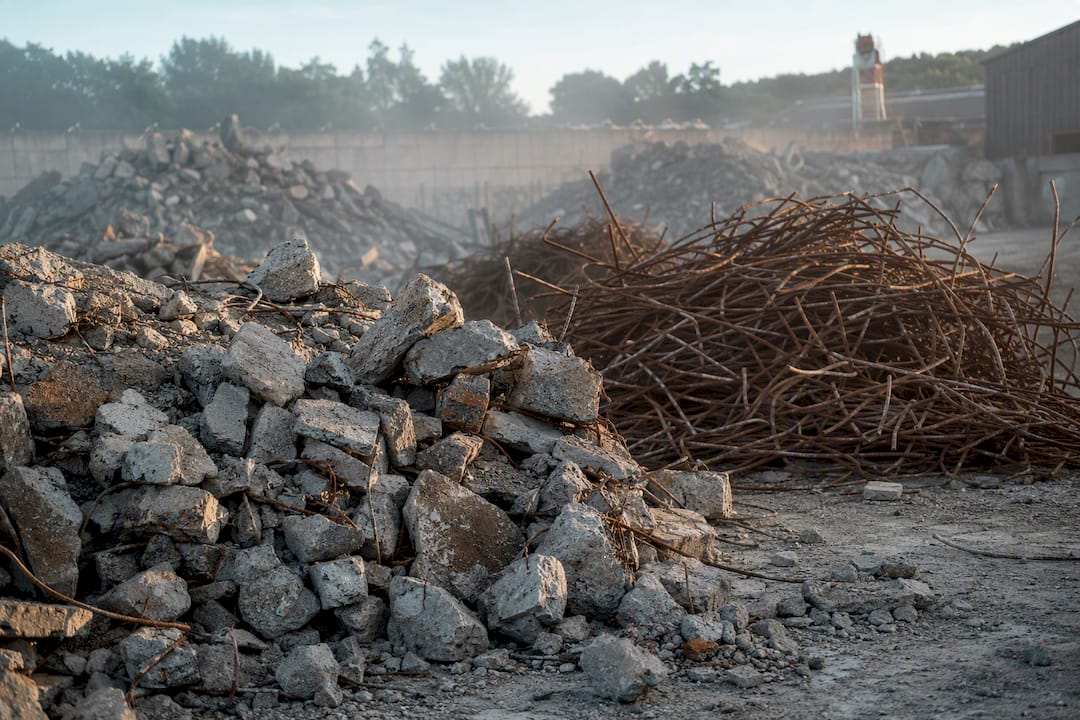
The biggest cost drivers beyond raw weight are contamination, distance to the nearest accepting facility, whether rebar has been separated, and the specific tipping fee your local facility charges. A load that would cost $25 a ton clean can jump into landfill-rate territory the moment it's mixed with drywall or paint chips.
Regulations, Permits, and What Counts as Illegal Dumping
The federal baseline is straightforward: the EPA classifies cured, uncontaminated concrete as non-hazardous solid waste. That's why most residential concrete disposal doesn't require special permits or hazardous-waste handling. Concrete contaminated with lead paint, asbestos-containing materials, or industrial chemicals is a different story, and it can fall under RCRA hazardous-waste rules depending on what's present and how much.
Where things get complicated is at the local level. Rules vary by county and city, and enforcement against illegal dumping, dumping concrete on vacant land, in waterways, or at unauthorized sites, carries real fines in most jurisdictions.
- Check your county solid-waste or transfer station page before hauling anything; hours, accepted materials, and fees vary block to block, not just state to state.
- Hillsborough County's solid waste page and Andover, Massachusetts's disposal guide are good examples of the kind of municipal-level detail you need to confirm locally.
- Dumping concrete on undeveloped land, even your own, can violate local ordinances if it's classified as construction debris.
- When you're not sure whether your load counts as contaminated, call the facility first and get their instructions in writing or by email.
Prepping Your Concrete Load the Right Way
Getting a load accepted without a surcharge starts before you ever load the truck. Follow these steps in order:
- Break slabs into pieces small enough to meet your target facility's size limit, generally under two to three feet across.
- Pull exposed rebar free where it's practical, but leave deeply embedded steel for the recycler's magnetic separator rather than fighting it on-site.
- Sort out painted, tiled, or adhesive-coated pieces from structural concrete before you haul.
- Scan for coatings, sealants, or chemical residue that might trigger special handling, and set that material aside for separate disposal.
- Weigh or estimate your load using concrete's roughly 150-pound-per-cubic-foot density so you're not blindsided by an overage fee.
Pro Tip: A demolition hammer or rented jackhammer breaks slabs down to acceptable piece sizes far faster than a sledgehammer, and it saves your shoulders on anything larger than a walkway.
When On-Site Crushing Makes Financial Sense
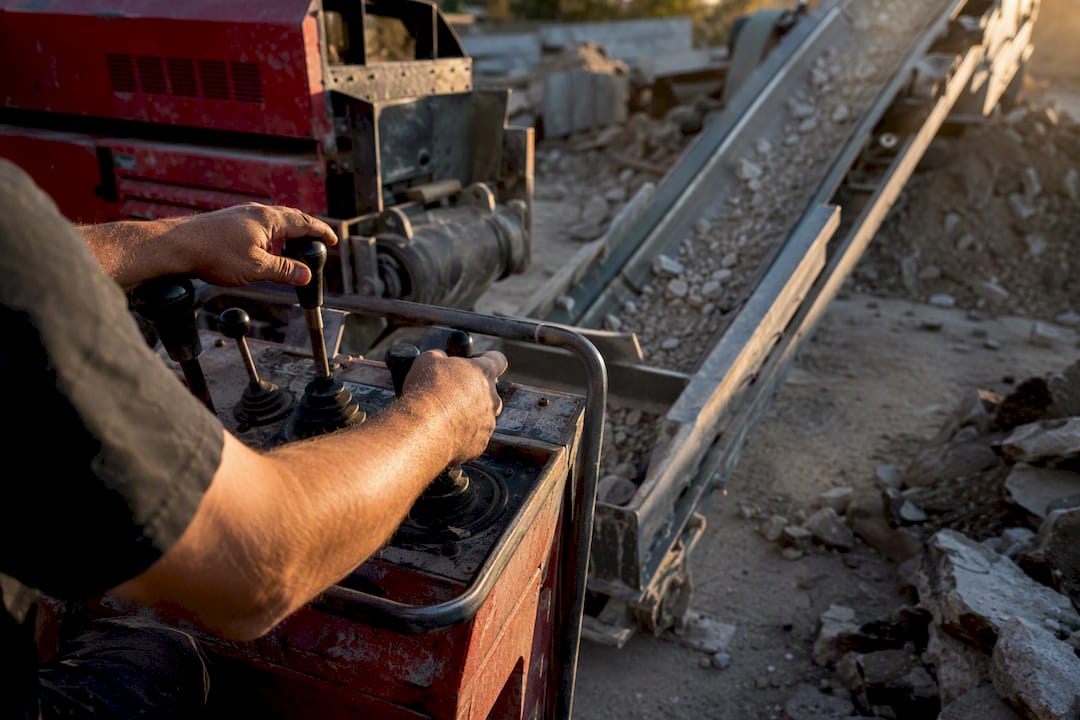
On-site crushing isn't a homeowner tool, it's a contractor-scale decision, and the math only works past a certain project size. Mobile crushing equipment lets contractors turn demolished concrete into usable aggregate on the spot, avoiding tipping fees entirely and cutting the number of truckloads leaving the site.
The threshold matters. Mobilizing a crusher to a job site involves equipment transport, operator time, and permitting, costs that outweigh the savings on a single residential driveway. On commercial-scale demolition running into the hundreds of tons, though, the economics flip hard, with contractors reporting substantial savings on large projects by processing material rather than hauling it away.
- Recovered rebar and steel mesh get separated and sold as scrap, offsetting a portion of processing costs on bigger jobs.
- Crushed material can be reused on-site as compacted base for new paving or foundations, cutting import costs on the next phase.
- Safety, staging space, and local permitting all factor into whether crushing on-site beats hauling off-site.
A contractor managing demo, crushing, and reuse under one crew avoids the coordination gaps that show up when multiple subcontractors handle separate pieces of the same job, which is exactly the kind of integrated approach specialty earthwork services are built around.
Choosing the Right Disposal Path: A Quick Checklist
Before you call anyone, answer these questions honestly about your own job.
- How much concrete are you actually moving? A few pavers point toward reuse or curbside pickup; a full slab points toward a dumpster or direct recycler haul.
- What's your timeline? Same-day removal favors a hauling crew; a multi-day renovation favors a dumpster you can fill as you go.
- What's your site access like? Tight driveways or alley access may rule out larger roll-offs, pushing you toward smaller containers or a hauling service.
- Is there any contamination risk? Old paint, adhesives, or unknown coatings mean a call to the facility before you haul, not after.
- Recycler or landfill? Default to the recycler unless your load is mixed, contaminated, or the nearest facility is too far to make it worthwhile.
Once you've answered those, call vendors with specific questions: What material specs do they accept? What's the piece-size limit? What's the per-ton rate, and is there a minimum charge? Where does the material actually go, and can they provide proof of disposal? Do they handle permits, or is that on you?
Pro Tip: Always get a written, line-item quote before the truck shows up. A verbal "flat rate" that turns into a per-ton overage bill after pickup is the single most common complaint homeowners have about hauling services.
Watch for vendors who won't quote a piece-size limit or per-ton overage rate upfront; that's usually where the surprise fees live.
What We've Learned Handling Concrete on Job Sites
Planning beats improvising almost every time on a demolition site. We've seen jobs where a homeowner assumed a standard dumpster would handle a torn-out driveway, only to find out the container wasn't rated for concrete's weight, forcing a same-week swap and a delay nobody budgeted for. Calling ahead to confirm dumpster type and facility acceptance rules before demo day starts isn't optional, it's the step that keeps a project on schedule.
Coordinate your demo timing with your dumpster delivery or hauler pickup so material doesn't sit staged for days waiting on a truck. Stage broken concrete away from active work zones, and separate rebar as you go rather than sorting through a mixed pile later. Confirm facility rules by phone, and get any special instructions in writing.
— Jake
A to Z Construction Handles the Whole Job, Not Just the Demo
Most homeowners don't want to become concrete disposal experts. They want the old slab gone and something better in its place, without juggling a demolition crew, a separate hauler, and a recycling facility on three different schedules. A-to-zconstruction handles demo, hauling, dumpster rental, and hardscape reuse under one licensed crew, so you're not coordinating three vendors to finish one project.
That matters most when your torn-out driveway or patio is really step one of a bigger plan: a new paver patio, a retaining wall, or an outdoor kitchen going in where the old concrete used to be. A-to-zconstruction's crews remove and dispose of the old material, then build the replacement, all coordinated by a single point of contact instead of passing your project between subcontractors. If you're planning to tear out old concrete and put in something better, request a free hardscape estimate and get a straight answer on removal, disposal, and rebuild costs in one conversation.
Where to Verify Local Rules and Facility Details
Before you haul anything, confirm the specifics for your own address. The EPA's construction and demolition debris data covers the federal classification baseline, while county pages like Hillsborough County's solid waste site and city guides like Andover's disposal page show how much local rules can vary. For contractor-scale questions on hauling logistics, Cornelius Wrecking's demolition resources are worth a look, and Komplet's breakdown of on-site crushing economics is useful if you're weighing mobile processing against hauling.
Sources
- Facts and figures about materials, waste and recycling: construction and demolition debris material | EPA
- Concrete disposal: Cost, Options & Where to Dump | Dropcurb
- How to dispose of concrete | The Home Depot
- How to get rid of concrete | Family Handyman
FAQ
How do I get rid of old concrete for free?
Clean, uncontaminated concrete often gets accepted free at local recycling centers, and some community groups or landscaping projects will take usable slabs and pavers off your hands at no cost. Check your county's solid-waste page first to confirm which local facilities offer free drop-off.
How do I dispose of old bags of Quikrete or unused bagged concrete mix?
Unopened or partially used bags of dry concrete mix generally aren't accepted at concrete recycling centers, since they're not cured material; most transfer stations or household hazardous waste programs handle unused bagged mix differently than broken slabs. Call your local facility to confirm whether they accept dry mix or only cured, broken concrete.
Where can I recycle concrete locally?
Search your county or city solid-waste department's website for C&D recycling facilities, or check listings like Andover's town disposal guide as an example of the kind of local information available. Facility acceptance rules, hours, and fees vary enough that a quick phone call before hauling saves wasted trips.
How do I get rid of large chunks of concrete?
Break oversized slabs down with a demolition hammer or rented jackhammer until pieces fit your target facility's size limit, typically under two to three feet across. For chunks too large or heavy to move yourself, a heavy-debris dumpster rental or a licensed hauling service will handle removal without the manual breakdown.
Can you put concrete in a regular dumpster?
No. Standard roll-off dumpsters aren't built for concrete's density, roughly 150 pounds per cubic foot, and most rental companies require a dedicated heavy-debris or inert-material container rated for that weight. Using the wrong dumpster type typically results in a rejected pickup or a significant overage fee.