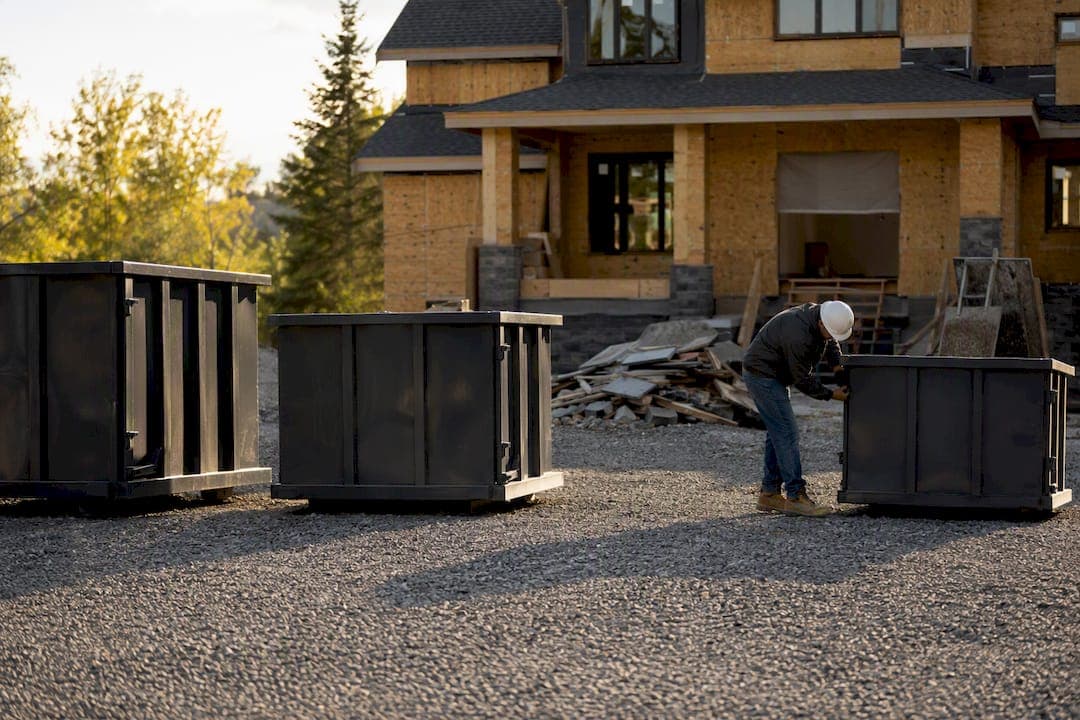
A week-long dumpster rental typically runs $294 to $800, with most homeowners landing somewhere near $386 to $480 for a standard 10 to 20-yard bin. That price usually bundles drop-off, pickup, and a set disposal allowance, so you're not paying separately for the truck to show up.
The fastest way to nail down your real number: call two or three haulers, give them your ZIP code, and tell them your debris type, estimated weight, and where the bin will sit. Pricing swings by hundreds of dollars between providers in the same market, so one quote never tells you enough.
- National weekly range: $294–$800
- Common homeowner midpoint: roughly $386–$480
- What's usually included: delivery, pickup, and a base weight allowance
Pro Tip: Before you sign anything, ask three questions: what's the weight limit before overage fees kick in, what materials are prohibited, and what's the daily rate if you need to keep the bin longer than planned.
Key Takeaways
Dumpster rental cost depends on size, rental length, and local disposal fees, and getting a ZIP-based quote is the only reliable way to know your real price.
| Point | Details |
|---|---|
| National weekly range | Expect $294–$800, with most homeowners paying $386–$480 for a standard bin. |
| Size drives price and fit | A 10-yard bin suits small cleanouts; 20-yard fits most remodels; 30–40 yard covers full renovations. |
| Weight matters as much as volume | Dense debris like concrete or dirt hits the tonnage cap before the bin looks full. |
| Watch for add-on fees | Overweight, extra days, and distance surcharges can add $40–$200 or more to a quote. |
| Permits depend on placement | Driveway placement usually needs no permit; street placement often requires one costing $10–$100. |
| A-to-zconstruction bundles waste with the job | Their Utah dumpster rental service pairs sizing help and local permit knowledge with the rest of your project. |
Quick Links to Verify Local Rules Before You Book
- Angi's dumpster cost data: benchmarks national averages and common fees.
- RightDumpster's city-level pricing model: shows how tipping fees shift by region.
- Your city's building or public works department: confirms exact permit steps for street placement.
Table of Contents
- How Much Does Dumpster Rental Cost by Size?
- What Fees Get Added to a Dumpster Rental Quote?
- How Do I Choose the Right Dumpster Size and Rental Length?
- Do I Need a Permit to Place a Dumpster on My Property?
- Is It Cheaper to Rent a Dumpster or Hire Junk Removal?
- Get a Local Dumpster Quote With Your Project Estimate
- Sources
- FAQ
How Much Does Dumpster Rental Cost by Size?
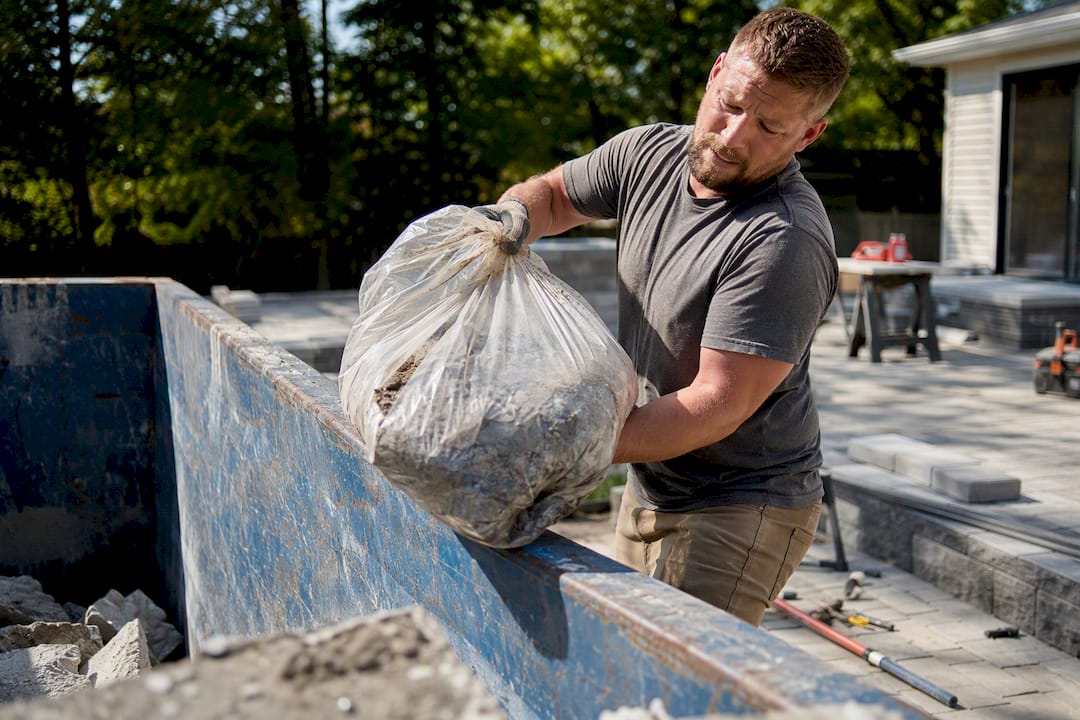
Size decisions come down to two things most people forget to weigh against each other: volume and tonnage. A dumpster can look "full" long before it's actually full, because dense material like concrete, dirt, or shingles maxes out the weight allowance while the container still has visible space left. That's the number one reason people get hit with overage fees.
Here's how the common sizes stack up:
| Size (cubic yards) | Approx. Dimensions | Typical Weight Allowance | Best For | Typical Price Range |
|---|---|---|---|---|
| 10 | 12ft x 8ft x 3.5ft | 1–3 tons | Small bathroom demo, garage cleanout | $300–$425 |
| 15 | 16ft x 8ft x 4ft | 2–4 tons | Single-room remodel, deck removal | $325–$500 |
| 20 | 22ft x 8ft x 4.5ft | 3–5 tons | Kitchen remodel, roofing job | $350–$550 |
| 30 | 22ft x 8ft x 6ft | 4–6 tons | Full home cleanout, small addition | $400–$650 |
| 40 | 22ft x 8ft x 8ft | 5–7 tons | New construction, major renovation | $450–$800 |
Move.org's data on week-long rentals confirms this spread holds fairly steady across markets, though your local landfill rates and delivery distance will push you toward either end.
A few quick project matches to save you a phone call full of guesswork:
- Bathroom demo or small cleanout: 10-yard bin usually covers it.
- Full kitchen remodel with cabinets and flooring: 20-yard is the standard call, and it's also the most commonly rented size among homeowners for a reason. It fits most driveways and handles mixed debris weight without maxing out.
- Concrete, dirt, or brick removal: Go smaller on volume than you'd think. A 10 or 15-yard bin often hits the weight cap before it looks full.
- Landscaping debris, topsoil, or yard waste: A 15 or 20-yard container usually has enough room, since this material is bulky but light.
Before you order, measure your driveway or placement spot. Most standard roll-offs need about 60 feet of straight clearance for delivery, plus overhead clearance for low branches or power lines. For a closer look at matching size to a specific remodel, A-to-zconstruction's sizing guide walks through real project examples.
What Fees Get Added to a Dumpster Rental Quote?
The quoted price is rarely the final bill. Landfill and tipping fees, baked into most quotes already, typically run $20 to $50 per ton at the disposal facility, and that regional rate is one of the biggest reasons prices differ so much from city to city.
Here's what tends to show up as an add-on rather than baseline:
| Fee Type | Typical Range | Why It Applies |
|---|---|---|
| Overweight/overage | $40–$200 per extra ton | Debris exceeds the included tonnage |
| Extra rental days | $5–$10 per day | Bin kept past the included window |
| Distance/mileage surcharge | $0.50–$0.65 per mile | Delivery site is outside standard service radius |
| Prohibited materials | Varies, can void deposit | Hazardous or banned items found in load |
| Dry run/failed delivery | Flat fee, provider-set | Truck can't access the site as planned |
Weight overages get calculated per ton over your included allowance, and some haulers pro-rate it rather than charging a flat per-ton penalty, so ask which method they use. Most companies also require a deposit or credit card hold upfront, generally refundable within a few days after pickup as long as the load stays under weight and free of banned items. The EPA's household hazardous waste guidance is worth a quick read if you're unsure whether paint, batteries, or electronics can go in your bin. Most can't, and finding that out after the truck leaves is expensive.
How Do I Choose the Right Dumpster Size and Rental Length?
- Estimate your debris type first, not just the pile size. Heavy materials (concrete, roofing, dirt) need a smaller container with a higher weight tolerance. Light, bulky waste (furniture, drywall, yard debris) needs more volume.
- Count truckloads. If your project would fill three or four pickup truck beds, you're likely in 10 to 15-yard territory. Six to eight loads pushes you toward 20 yards.
- Match tonnage to material density, then size up one tier if you're unsure. It's cheaper to slightly oversize than to pay overage fees or order a second bin.
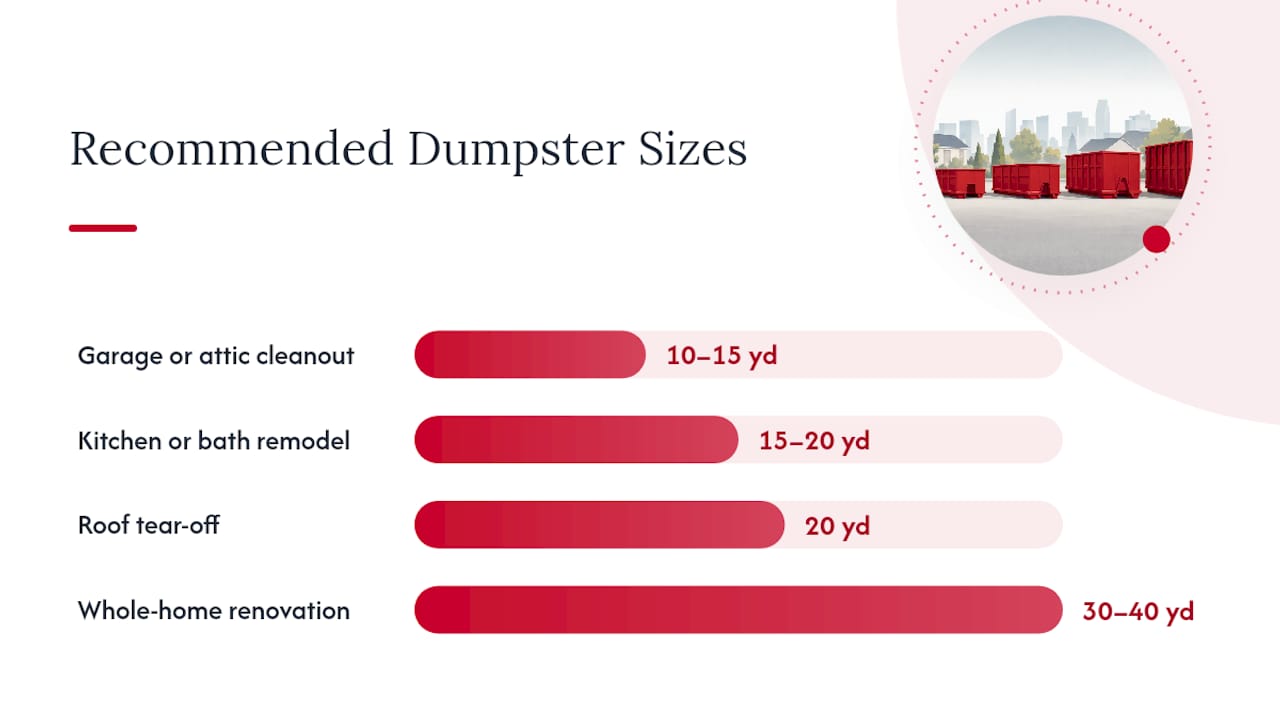
| Project Type | Recommended Size | Weight Risk |
|---|---|---|
| Garage or attic cleanout | 10–15 yard | Low |
| Kitchen or bath remodel | 15–20 yard | Medium |
| Roof tear-off | 20 yard | High |
| Whole-home renovation | 30–40 yard | Medium to high |
Standard rentals usually include a 5 to 7-day window, with daily extension rates after that. If your project runs longer than two weeks, ask about monthly pricing, which often beats paying extension fees day by day.
Pro Tip: If you're on the fence between two sizes, size up. A slightly larger bin costs less than a second delivery fee or an overage charge on a full one.
Do I Need a Permit to Place a Dumpster on My Property?
If the dumpster sits in your driveway or on private property, you typically don't need a permit. Put it on the street or any public right-of-way, and most cities will require one, generally running $10 to $100 depending on the jurisdiction and how long you need the space.
Driveway placement carries its own risk: a loaded 20-yard roll-off can weigh several tons, enough to crack older asphalt or stress a concrete slab that's already weakened. Laying down plywood sheets under the delivery point and confirming wheel-chock placement with your hauler helps prevent surface damage, and it's worth asking whether the rental company carries liability coverage for damage they cause during drop-off or pickup.
- Check with your city's building or public works department before delivery day, not after.
- Have your address, project type, and expected rental dates ready when you call.
- Ask specifically about right-of-way rules if the bin will touch any part of the street or sidewalk. Utah counties handle this differently, and A-to-zconstruction's Washington County page breaks down local specifics for that area. For a broader look at permit categories and timelines, this guide to construction permits is a solid starting point.
Pro Tip: Call your municipal building department directly rather than relying on what the dumpster company tells you. Permit rules are hyper-local, and haulers don't always know your specific city's requirements.
Is It Cheaper to Rent a Dumpster or Hire Junk Removal?
It depends on volume and how much sorting you're willing to do yourself. Dumpster rental wins for large, ongoing projects where debris accumulates over days, since you pay one flat fee instead of per-load charges. Junk-haul services make more sense for a single, defined pile you want gone today, since crews load everything and haul it away in one visit with no rental window to manage.
- Dumpster rental: best for remodels, multi-day cleanouts, and construction debris.
- Junk-haul service: best for one-time pickups, furniture, or when you can't have a bin sitting on-site.
- DIY transfer station runs: only cost-effective for small loads; multiple trips in a pickup truck often exceed dumpster rental costs once you factor gas and time.
Junk-haul crews typically won't take construction debris like drywall or concrete in bulk, while dumpsters handle it without issue. Deposit requirements also differ: most dumpster rentals hold a refundable deposit, while junk-haul services usually charge a flat rate with no hold at all.
How These Price Ranges Were Estimated
These ranges come from a blend of national industry pricing guides, aggregator data modeled across major metro markets, and current provider reporting rather than a single source.
Local tipping fees, fuel costs, and demand swing pricing more than almost any other factor, which is why the same size dumpster can cost $150 more in one city than another just an hour away.
- Angi's 2026 cost data for national averages and homeowner ranges
- Move for weekly rental spreads
- RightDumpster's modeled city data for local variation drivers
Get a ZIP-based quote for your exact address. National ranges are a planning tool, not a guarantee.
Why We Push Homeowners to Ask About Weight Limits First
Overage charges and permit surprises are the two mistakes I see trip up homeowners most often on job sites. A-to-zconstruction has managed waste logistics across hundreds of Utah projects, and sizing right the first time is what keeps a budget intact.
Get a Local Dumpster Quote With Your Project Estimate
A-to-zconstruction handles dumpster rental the way it handles everything else: as one part of a bigger job, not a separate errand you have to coordinate yourself. If you're already planning a remodel, cleanout, or landscaping project in Utah, ordering your dumpster through the same contractor doing the work means one phone call instead of three, and someone who already knows your site's access points and permit requirements.
Local delivery, sizing help based on your actual project scope, and support figuring out whether your placement needs a permit are all part of the same conversation. To get an accurate price, have your ZIP code, project type, and estimated timeline ready when you reach out. If your dumpster need is tied to a larger renovation, start with a free remodeling estimate and A-to-zconstruction will scope the waste removal alongside the rest of the job.
Sources
FAQ
What is the cheapest dumpster you can rent?
A 10-yard dumpster is typically the cheapest option, often running $300–$425 for a standard weekly rental, though exact pricing depends on your ZIP code and local landfill fees.
Is it cheaper to rent a dumpster or make dump runs yourself?
For anything beyond a couple of truckloads, renting a dumpster is usually cheaper once you factor in gas, time, and multiple trips; DIY hauling only wins for genuinely small, single-load jobs.
What's the minimum price for junk removal?
Junk removal pricing varies widely by volume and location, with small single-item pickups often starting at prices lower than a full dumpster rental, while full-load jobs can approach or exceed a comparable dumpster rental.
Can I rent a dumpster for around $200?
It's uncommon for a full-size roll-off in most markets, since national ranges start closer to $294–$300 for even the smallest sizes; a $200 quote likely signals a smaller bag-style container or a limited weight allowance, so confirm what's included before booking.